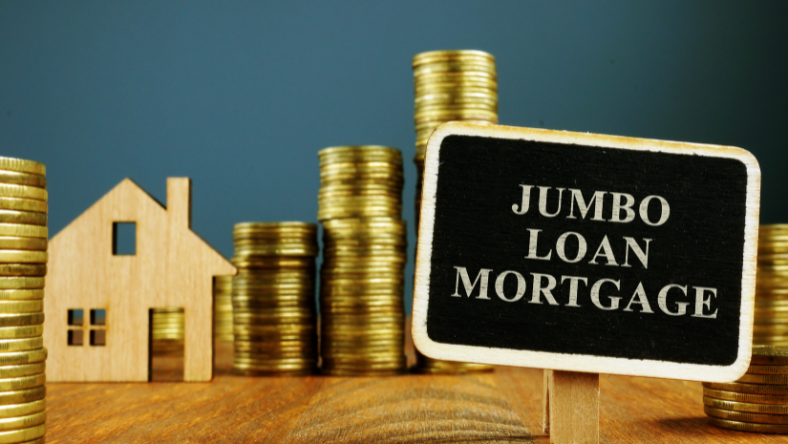
Understanding Mortgages: How Home Loans Work
Understanding Mortgages: The Foundation of Home Financing
For most people, buying a home means taking out a mortgage.
A mortgage is a long-term loan from a lender that helps you finance your home purchase and repay it over time. Because it is often the largest financial commitment a person will make, understanding how mortgages work is essential.
From interest rates and loan terms to taxes and insurance, knowing the basics can help you choose a mortgage that fits your financial goals and avoid costly surprises along the way.
What Homebuyers Need to Know
Most people will need a mortgage to finance a home purchase. A mortgage works much like any other loan: you borrow money from a bank, credit union, or other lender and then pay it back over time.
A mortgage is the largest loan that most consumers will take on during their lifetimes. Because of this, it is important for homebuyers to understand exactly what goes into a mortgage and what is required to obtain one.
Buyers who do their research significantly improve their chances of choosing a mortgage that fits their needs.
The Basics
Once you take out a mortgage, you will make monthly payments to repay it. Most homeowners choose between a
15-year and a 30-year mortgage.
Each payment is applied to several components:
The principal is the amount borrowed. For example, a $200,000 loan means a $200,000 principal balance.
Part of each payment covers interest, which is the cost of borrowing. Over time, interest can total hundreds of thousands of dollars, especially with longer loan terms.
The longer the term and the higher the rate, the more interest you will pay overall.
Depending on your loan setup, payments may also include property taxes and homeowners insurance, which vary based on location and property value.
Types of Mortgages
Homebuyers can choose from several mortgage types, each with different advantages.
The most common options are 30-year and 15-year fixed-rate mortgages. The interest rate remains the same throughout the loan term.
A 30-year mortgage spreads payments over a longer period, resulting in lower monthly payments. A 15-year mortgage pays off faster and typically results in less interest paid overall.
Borrowers may also choose an adjustable-rate mortgage (ARM). These loans begin with a fixed rate for a set number of years, then adjust based on market conditions.
The benefit of an ARM is a lower initial interest rate. The risk is that rates may increase later, raising monthly payments.
To better understand current mortgage options, including Salem Five Bank mortgage rates and available loan programs , compare fixed and adjustable-rate options and consult a lender to evaluate current rates. Escrow Accounts
When you own a home, you must pay property taxes and homeowners insurance. These can either be paid separately or included in your mortgage payment.
When included, the lender collects these payments monthly and holds them in an escrow account.
For example, $6,000 in annual taxes could be broken into $500 monthly contributions. The lender then pays the bill when it is due.
This approach helps homeowners avoid large, one-time expenses and stay current on their obligations.
What's Next?
Now that you understand mortgage basics, the next step is reviewing your readiness and comparing loan options. Checking your credit,
exploring lenders , and understanding affordability will help you move forward with confidence.
Get a Mortgage Rate Quote
FAQs: About Mortgages
-
A mortgage is a loan used to buy a home, repaid over time with interest.
-
Most mortgages are 15 or 30 years, depending on the loan type.
-
Payments usually include principal, interest, and sometimes taxes and insurance.
-
Fixed rates stay the same; adjustable rates can change after an initial period.
-
An escrow account is used by lenders to pay property taxes and insurance on your behalf.





 Security Center Alerts